

Are Radon Levels High in Massachusetts?
Learn why New England homes are especially vulnerable to radon and what you can do about it.
Read MoreMon–Fri: 7am–7pm · Sat–Sun: 8am–5pm
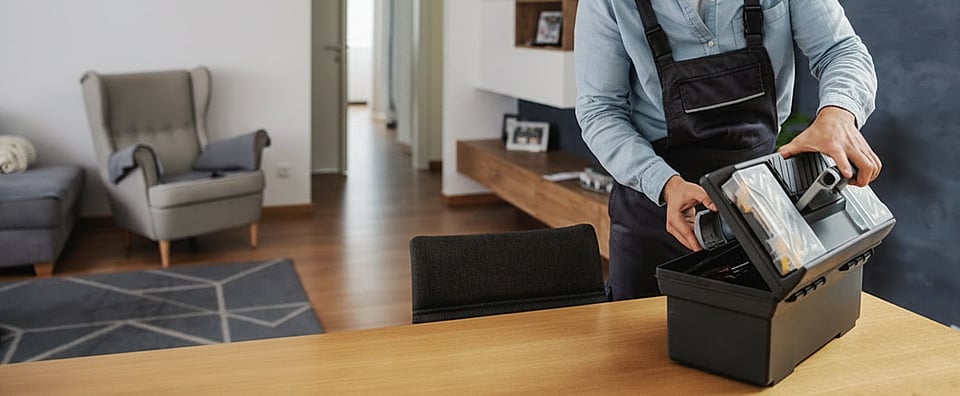
Residential / Radon System Maintenance
Bird Dog Specialty provides ongoing radon mitigation system maintenance and repair for Canton, Newton, Milton, Needham, and more. Whether your system is showing signs of failure, your fan needs replacement, new cracks have developed, or you need an inspection, our team is here to help.
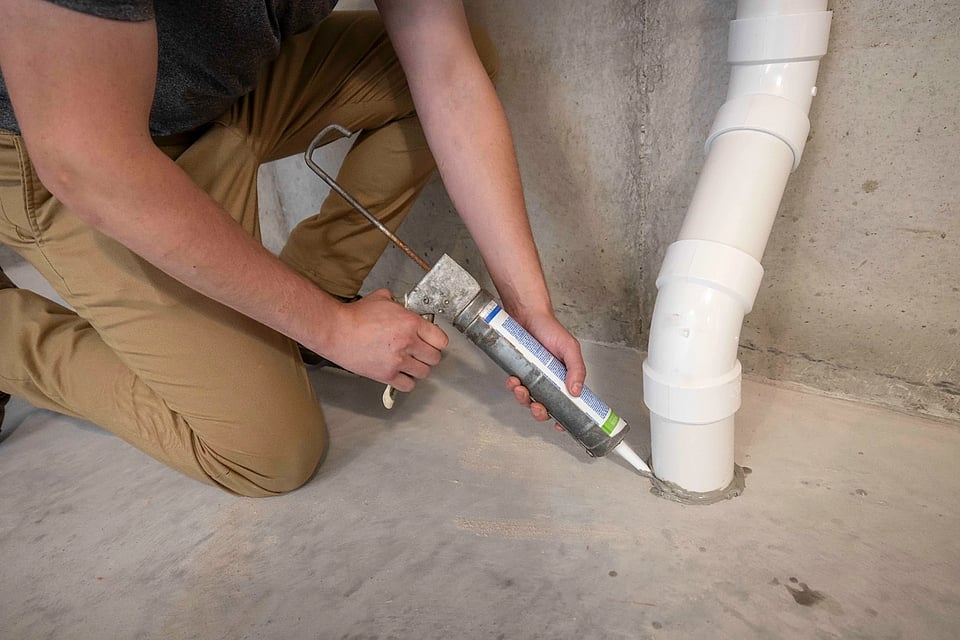
While radon mitigation systems are designed to run continuously with minimal intervention, they are not entirely maintenance-free. Some simple routine attention goes a long way toward ensuring your system continues performing at its best - and your family remains better protected - year after year.
Ask about Bird Dog Specialty's Radon Care Program, so your maintenance can be handled completely - without any hassle or guesswork.
Contact UsA properly functioning radon mitigation system should run continuously and keep your indoor radon levels well below the EPA's action level of 4 pCi/L - but like any mechanical system, it can fail over time in ways that aren't always obvious.
The fan is the heart of your mitigation system - if it's silent, cycling on and off, or producing grinding or rattling sounds, it may need replacing.
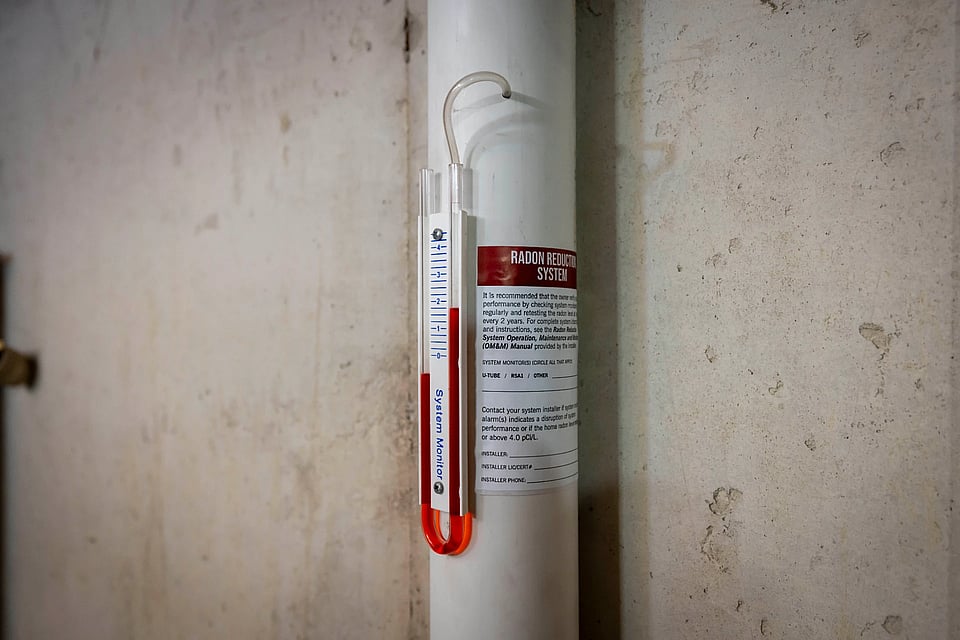
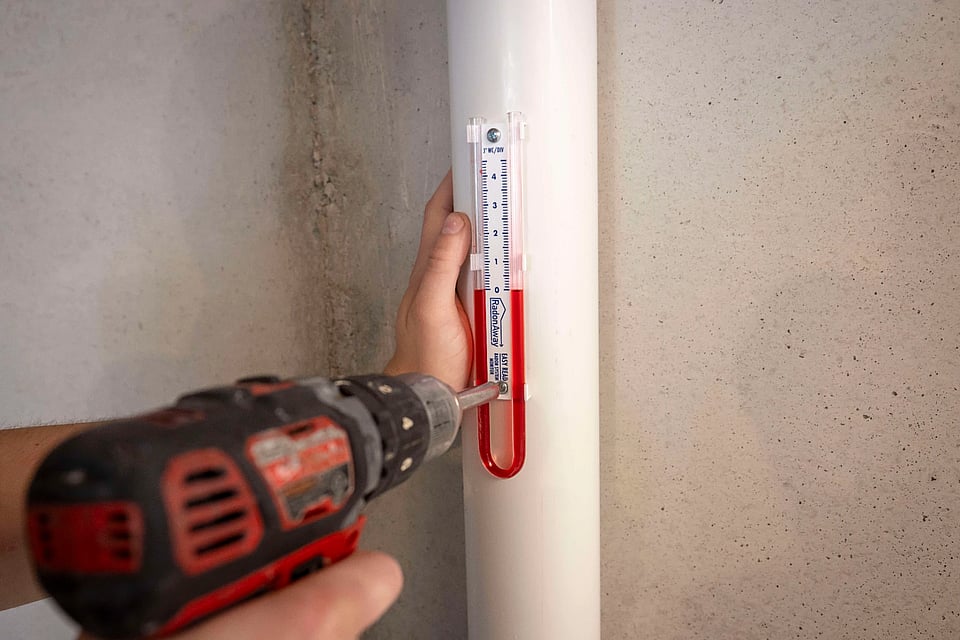
If the U-shaped gauge with colored liquid shows even levels on both sides, the system is likely not functioning correctly.
The most definitive sign that your system is failing is a retest result that comes back at or above 4 pCi/L.
Cracks in the PVC piping, disconnected joints, or visible deterioration of any system components are clear signs that your mitigation system has been compromised.
Every maintenance visit is thorough and transparent. We inspect, test, optimize, and report, so you know exactly what your system is doing and why.
We check fan operation, ductwork seals, foundation entry points, and system pressure.
Accurate pressure readings confirm your system is working within spec and radon gas is being vented properly.
If your fan is failing, we diagnose the issue and can often replace it the same day.
We adjust fan speed, seal leaks, and fine-tune your system for best results without energy waste.
Annual or bi-annual check-ups catch wear-and-tear early and keep your system running right.
We evaluate your fan, ductwork, seals, and pressure readings to assess system health.
If issues are found, we explain them clearly and provide fast, transparent repair options - including same-day fan replacement when needed.
We fine-tune your system for peak efficiency and discuss a maintenance schedule to prevent future problems.

We recommend having your radon mitigation system professionally inspected at least once per year to confirm it's still venting radon effectively and operating within spec. If your system is more than 5 years old, or if you've noticed changes in fan noise, manometer readings, or recent radon test results, bi-annual service is a smart precaution. Regular servicing catches minor issues - like a worn fan bearing, a small crack, or a loosening seal - before they turn into costly failures, and it ensures your home's radon levels stay consistently below the EPA's action level of 4 pCi/L year-round.
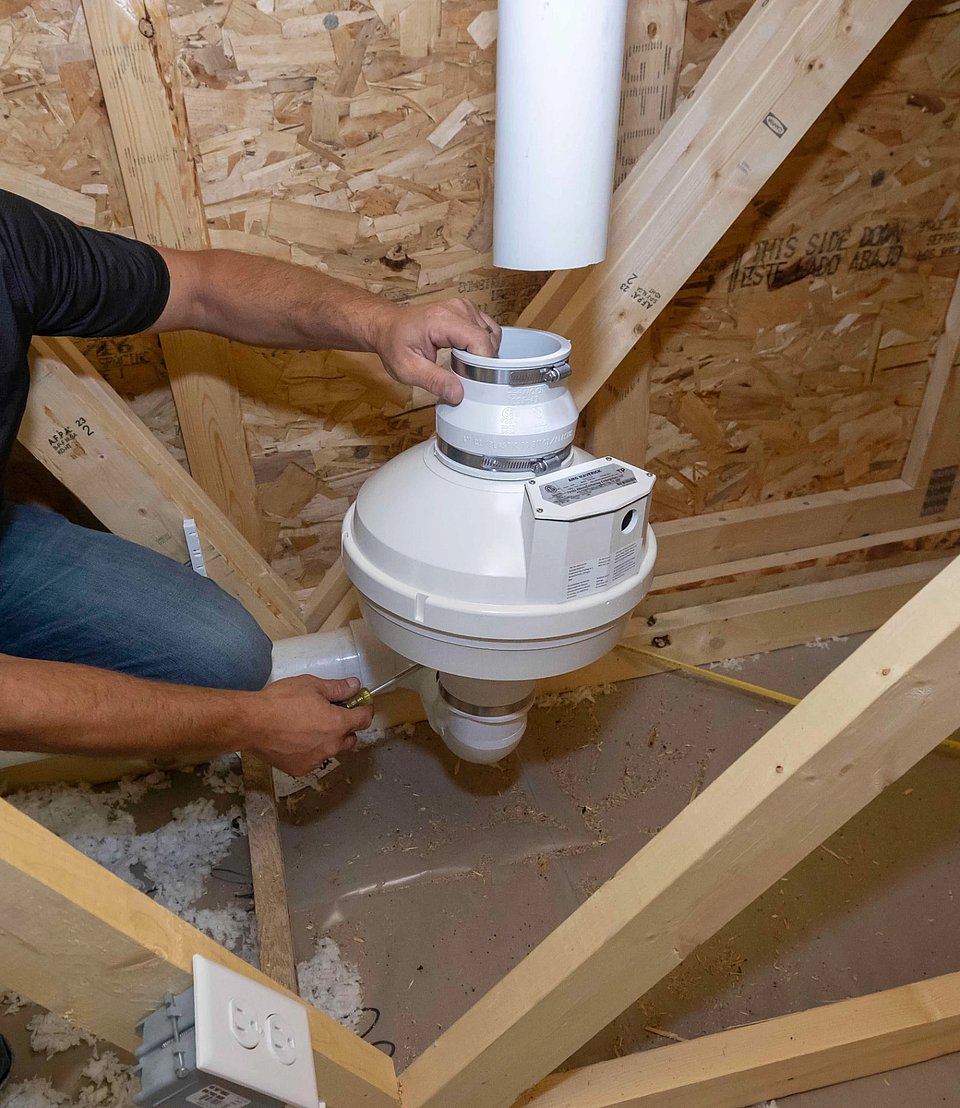
A complete maintenance visit is thorough and transparent from start to finish. We inspect fan operation and listen for grinding, rattling, or intermittent cycling, as well as check the integrity of your ductwork, PVC piping, joints, and foundation sealing. We'll also take manometer pressure readings to verify the system is depressurizing properly and examine entry points and system routing for any signs of wear or damage. Before we leave, we walk you through exactly what we found, explain your system's current performance, and recommend any repairs, part replacements, or optimizations.
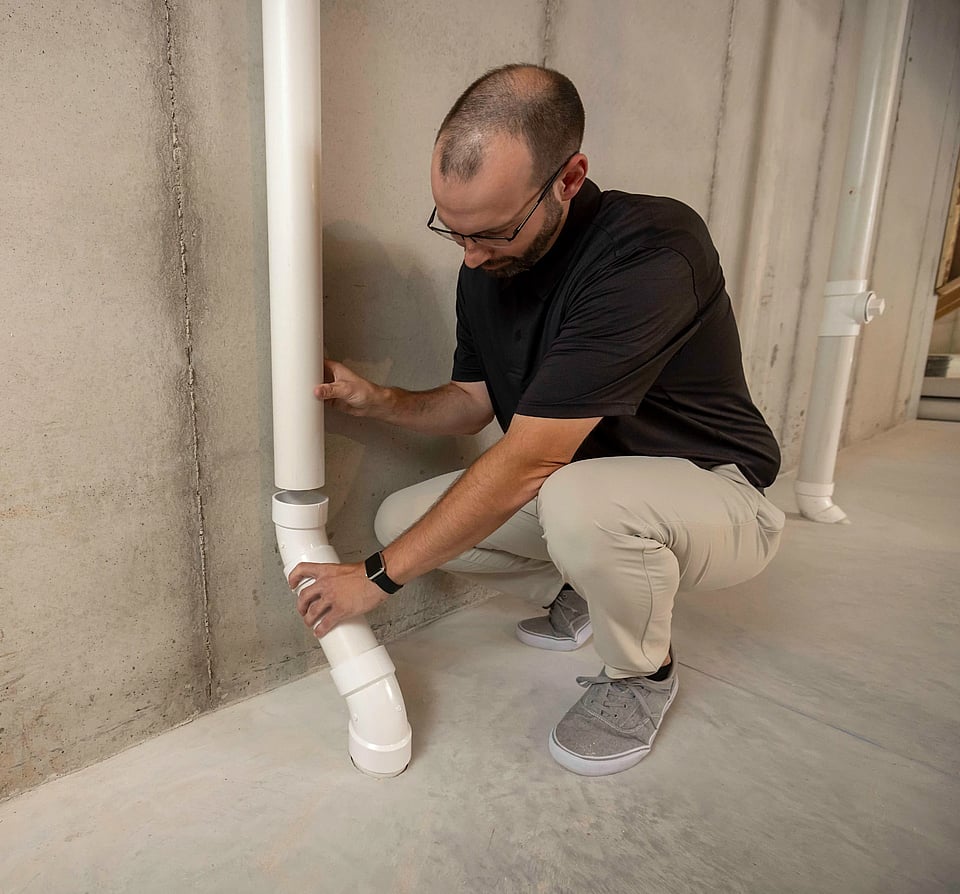
Yes, in most cases we can. Unlike many contractors who have to order parts and schedule a return trip, we stock common radon fan models and prioritize emergency calls. When your fan fails, sub-slab depressurization stops and radon can begin accumulating quickly, so speed matters. In the majority of situations, our technicians can diagnose the failure, source the correct replacement fan, and complete the swap on the same visit - restoring protection to your home and minimizing the window of elevated radon exposure during downtime.
Yes. Your radon mitigation system works by continuously creating sub-slab depressurization that draws radon gas out from beneath your foundation and vents it safely above your roofline. The moment the fan stops running or a major leak develops, that suction ends and radon immediately begins accumulating under and inside your home again - often returning to pre-mitigation levels within days. This is exactly why a working fan, routine maintenance, and prompt repairs are so critical, and why we recommend annual radon retesting to confirm your system is still doing its job.


Radon Measurement Professional (RMP)
Radon Mitigation Specialist (RMS)
Soil Gas Mitigation Compliance Inspector (SGM-CI)

We provide fast, reliable, and effective radon mitigation and property services to communities throughout Norfolk County, Suffolk County, and more.
Towns:
Canton, Westwood, Milton, Needham, Newton, Duxbury, Dover, Wellesley, Sharon, Hingham, Cohasset
Counties:
Norfolk, Suffolk, Bristol, Plymouth, Middlesex
Learn why New England homes are especially vulnerable to radon and what you can do about it.
Read More
Radon concentrations rise and fall with the seasons, weather, and how your home is used.
Read More
Power washing and soft washing both clean your home's exterior, but they work in very different ways.
Read MoreWhether you need routine maintenance, emergency fan replacement, or system diagnostics, we're ready to help. Fill out the form or call us directly, so we can help you out soon.
Experiencing a fan failure or system issue? Call us now for same-day emergency service.
Call us directly at (781) 770-1810 or fill out the form, and we'll get back to you promptly.
Oftentimes, our repair services for residential properties require radon fan replacement - reach out if your fan fails.